
The Counteroffer Paradox: Why "Buying Back" Talent is a False Economy
The Retention Risk Analysis for both sides

Introduction: The “Panic” Raise
In any competitive Medtech niche,the Counteroffer is inevitable.
But for both the Employee and the Employer, “in my experience over the years, it is almost always a mistake for both parties"
The scenario is standard: A high-performing Territory Manager resigns.
The Sales Director, fearing a vacant territory and lost revenue, immediately matches the offer + 10%.
The candidate accepts. Crisis averted?
No. You haven’t saved the employee; you have just rented them for another quarter.
Regardless of market conditions, the counteroffer remains one of the most predictable — and most mishandled — moments in MedTech hiring
The commercial reality is undisputed: Once a resignation is tendered, the psychological contract is broken.
The money has changed, but the root causes—lack of autonomy, blocked progression, or culture—remain.
Buying Time, Not Loyalty
Why do companies counter?
It is rarely about “love.”
It is about Operational Risk Management 🛡️.
Project Continuity: They need the employee to finish the Q1 launch.
Optics: Having to explain a resignation to the Global VP.
Cost: It is cheaper to pay someone $10k more now than to pay a $30k search fee tomorrow.
The Risk: If you make a counter-offer and word gets around ( it often does! ), you are signalling that the only way to get a raise in your business is to hold a gun to your head. This sets a dangerous precedent for the rest of the team.
The Outcome: Many managers who counter immediately start looking for a replacement behind the scenes. They are buying 3 months of stability while they find someone “loyal.”

The “Loyalty Tax” ( & The PIP Risk )
If you accept a counteroffer, you haven’t won.
You have painted a target on your back 🎯.
1. The Broken Trust
You are now the person who “tried to leave.
When the next promotion comes up, will they give it to the flight risk?
Or will they give it to the person who stayed?
2. The PIP Trap (Performance Improvement Plan)
A pattern I've observed more than once:a professional accepts a counteroffer, spends the next few weeks transitioning key account knowledge to the team — and is then quietly managed out later.
The organisation used the counteroffer to extract valuable knowledge before making the move they'd already decided on.
3. The “Band-Aid” Fix
The raise buys your compliance, not your happiness.
The frustration that led you to take a headhunt call or apply to well placed ad was one of: the micromanagement, the lack of new products, the territory size too big, too small etc —will return in <90 days.
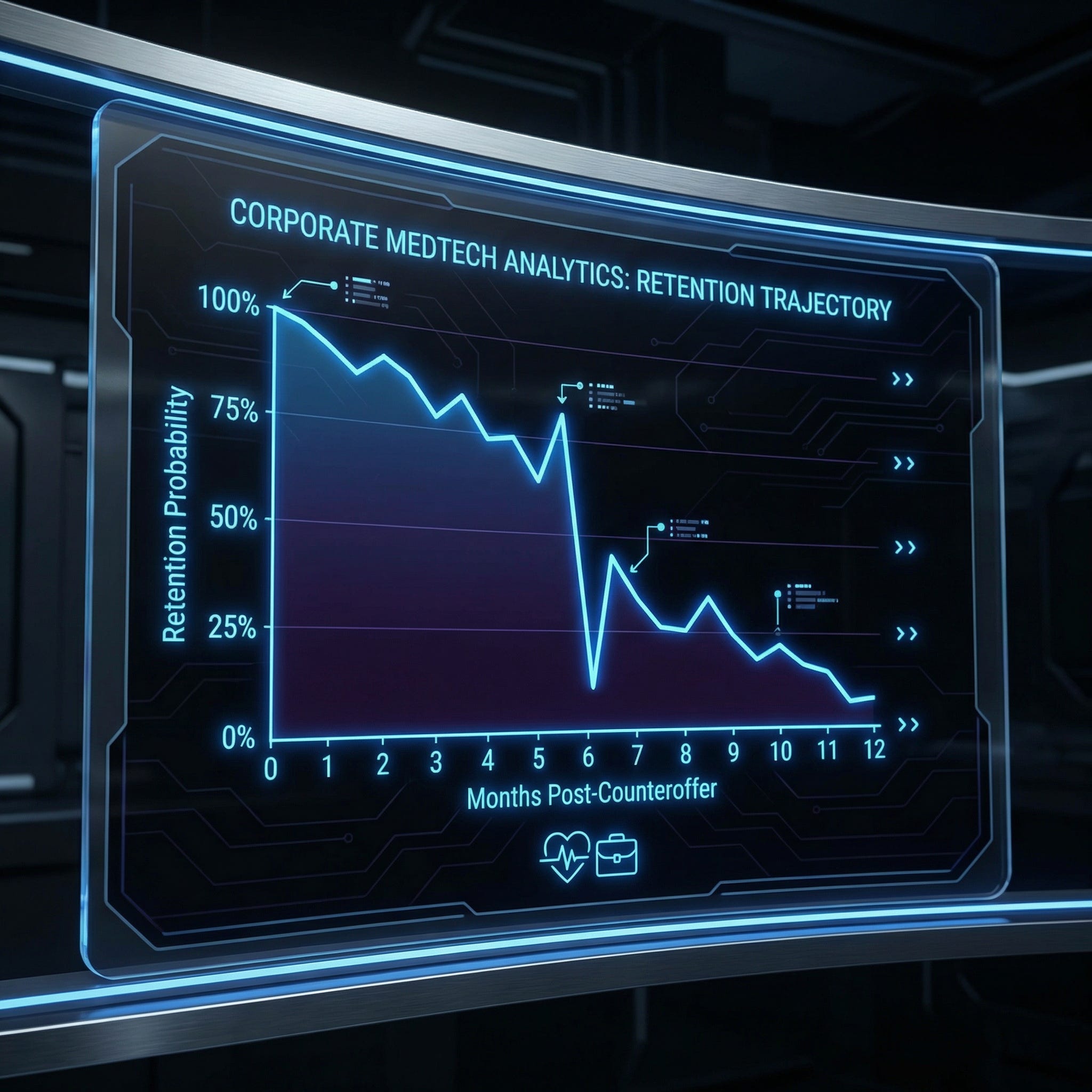
Conclusion:
The best career moves are decisive, and the best hires are planned with insight, context not knee-jerk reactions.
Hiring Managers:
Build a pipeline of “Warm Bench” talent or map the best in your field so you never have to panic-counter.
Candidates:
Leave Clean 🌱. If you resign, mean it. Leave on good terms, but leave.